 |
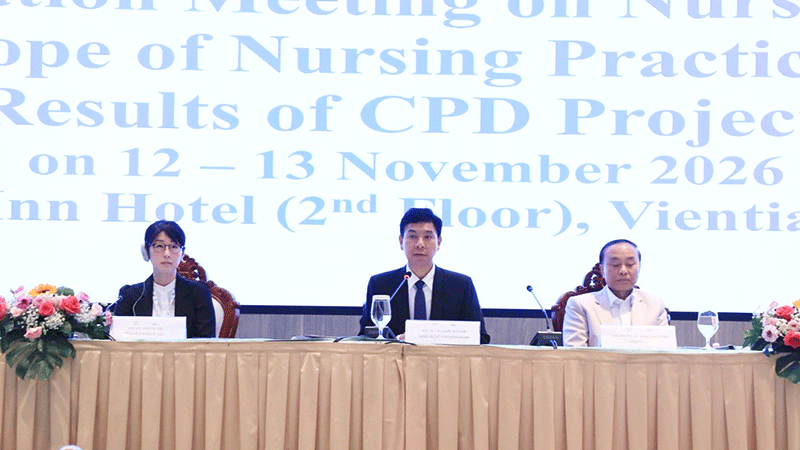
Chief Advisor of CPD project/JICA, Mrs Ayako Masu (left), Deputy Minister of Health, Assoc. Prof Dr Bounserth Keoprasith (centre) and Former Minister of Health, and Vice President of Health Professional Council, Dr Bounfeng Phoummalaysith (right).
|
Health ministry upgrades nursing and midwifery standards
The Ministry of Health has introduced revised regulations governing nursing and midwifery practices, helping to improve the quality, safety and accountability of healthcare services.
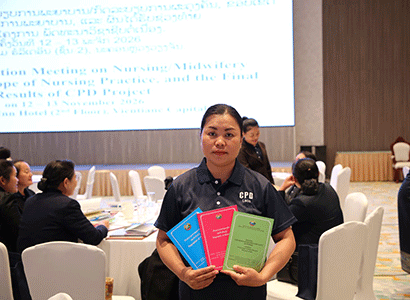
A two-day meeting held at the Holiday Inn in Vientiane on November 12-13 presented three newly approved documents: the Nursing Regulation, the Midwifery Regulation, and the revised Guidelines for the Scope of Nursing Practice.
The first two regulations were approved by the Minister of Health in October, while the revised nursing practice guidelines were endorsed by the President of the Health Professional Council.
 |
| |
The meeting was organised by the Ministry of Health with technical support from the Japan International Cooperation Agency (JICA) under the Project for Continuing Professional Development System for Nurses and Midwives (CPD Project).
Participants included representatives of the Health Professional Council, the Nursing and Midwifery Board, ministry departments, provincial health authorities, hospitals, health education institutions, and development partners from across the country.
The revised regulations represent major achievements of the CPD Project, which was initiated in January 2024. They build on the nationwide introduction of the continuing professional development system in February 2025, which linked professional licence renewal with ongoing learning and skills development.
The new regulations replace the joint Nursing and Midwifery Regulation introduced in 2007, which covered both professions under a single document. For the first time, midwifery has its own separate rules, while the Nursing Regulation has been expanded from 33 to 52 articles.
The revised nursing regulation also includes specific provisions on professional licensing, national examinations, continuing professional development and licence renewal.
Under both regulations, professional licences are valid for five years and can be renewed through CPD credits gained from training, teaching, further education and research.
 |
| |
Meanwhile, the revised Guidelines for the Scope of Nursing Practice clarify the responsibilities and limits of nurses, including which procedures they can perform independently, which require a doctor’s order or presence, and which activities are beyond their professional authority, such as diagnosing diseases and prescribing medicines.
The guidelines were developed with contributions from nurses working at provincial, district and village levels, including health centres where medical doctors are often unavailable.
 |
 |
| |
|
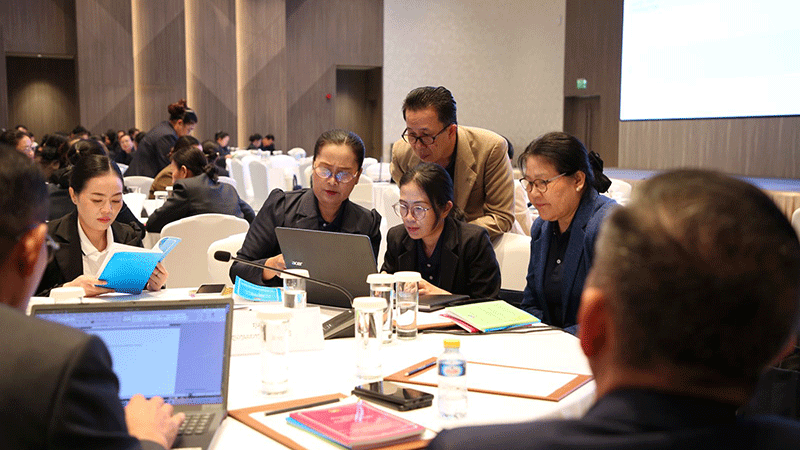
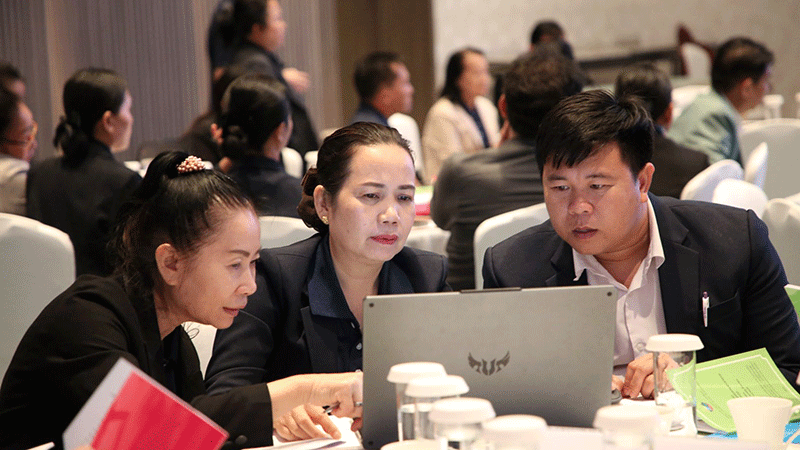
During the meeting, participants worked in groups representing provinces, hospitals and education institutions to discuss the circulation of the documents and how to apply the new requirements in their respective workplaces.
The ministry and JICA also reviewed the project’s achievements to date and discussed ways to sustain the CPD system after the project concludes in January 2027.
The project has supported the development and nationwide introduction of the CPD system, as well as training programmes for nurses delivered by trainers from central and provincial hospitals.
It builds on more than two decades of Japanese cooperation in developing Laos’ healthcare workforce. A previous project, implemented from 2018 to 2023, led to the development of the country’s first national nursing licensing examination, which the Ministry of Health now organises independently every year.
The ministry aims to ensure that nurses and midwives across Laos maintain consistent professional standards, provide safe and reliable care, and continue to improve their knowledge and skills throughout their careers.
By Times Reporters
(Latest Update November 17, 2026)
|

