 |
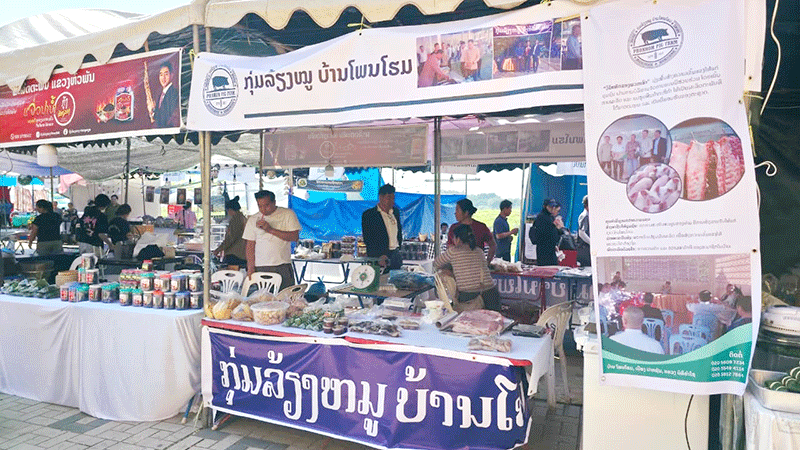
| While the price of some goods dropped slightly in January, the cost of other items continued to remain high. --Photo Phonepaseuth |
Inflation dips in January despite continued pressure from utilities
Inflation in Laos showed signs of easing at the start of 2026, with the rate falling to 5.1 percent in January, down from 5.6 percent in December, according to the latest consumer price index data from the Lao Statistics Bureau.
While prices remained higher than a year earlier, overall inflation declined by 0.2 percent month-on-month, reflecting short-term relief driven by lower food and fuel costs.
Despite the monthly decrease, inflationary pressure remains elevated, particularly in essential services. Core inflation, which excludes volatile items such as fresh food and fuel, stood at 7.3 percent, indicating persistent underlying price pressures. Non-core inflation rose by 2.7 percent, influenced mainly by movements in utilities, fuel and gold prices.
The strongest year-on-year price increases were recorded in the housing, water, electricity and fuel category, which rose by 24.2 percent. This was largely driven by a sharp surge in electricity prices, which increased by 169.1 percent, along with a 42.7 percent rise in water supply.
These increases continue to place pressure on household expenditure, particularly in urban areas.
The price of other goods and services rose by 32.1 percent, mainly reflecting a 64.7 percent increase in the price of gold jewellery. The health and medicine category increased by 13.6 percent, as hospital service fees rose by 24.5 percent and the cost of medicine by 13.0 percent.
Education costs also climbed significantly, increasing by 11.5 percent, driven by the higher cost of school uniforms and additional tuition services.
Meanwhile, alcohol and tobacco prices rose by 8.3 percent, while food and non-alcoholic beverages recorded a relatively modest year-on-year increase of 1.6 percent, with moderate price rises seen in meat, poultry and vegetables.
On a monthly basis, falling prices in key consumption categories helped to offset rising utility costs. Food and non-alcoholic beverage prices declined by 1.2 percent, reflecting the lower price of several fresh products, including coriander, lettuce, cabbage, oranges and pork.
Transport and communication costs also fell by 0.4 percent, mainly due to a 3.0 percent reduction in the cost of fuel, alongside a slight decrease in vehicle costs.
However, these declines were partly offset by a sharp 5.3 percent month-on-month increase in the housing and utilities category, driven almost entirely by a 31.1 percent rise in electricity prices in January alone.
Data further indicate that domestic inflation, calculated from 230 locally produced items and accounting for 69.3 percent of total consumption weight, stood at 6 percent, higher than inflation in imported goods, which reached 3.3 percent and represents 30.7 percent of the consumption basket.
While the January figures suggest some easing in short-term inflation, sustained increases in utility costs and high core inflation continue to pose challenges for households and policymakers as the year begins.
By Times Reporters
(Latest Update January 29, 2026)
|

