 |
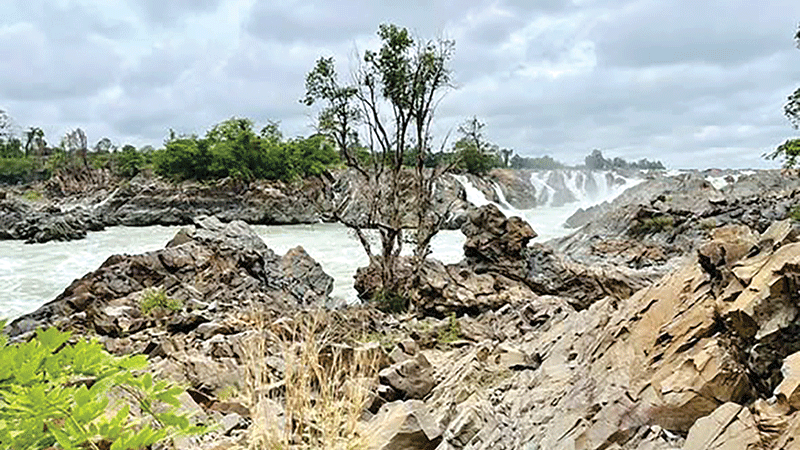
| Khonphapheng in Champasak province in southern Laos. --Photo Vientiane Times file |
Khonphapheng: Where the mighty Mekong meets legend
Standing beside Khonphapheng waterfall is an experience that stays with you long after you leave. The deafening roar of the Mekong river, the cool mist rising from the crashing rapids, and the endless rush of water over giant rocks remind visitors that nature here can still inspire awe in ways that few places on Earth can.
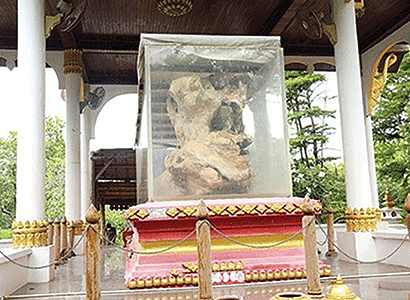 |
| The manikhot tree in the pavilion. --Photo Vientiane Times file |
Located in Champasak province in southern Laos, Khonphapheng is more than just a tourist attraction. It is the largest waterfall in Southeast Asia and the world’s widest waterfall. The falls are 15 km in length and 10,782 metres at the widest section.
Often called the “Pearl of the Mekong”, it is one of Laos’ greatest natural treasures and the highlight of any journey through the famous Si Phan Don, or 4,000 Islands.
The mighty Mekong begins thousands of kilometres away on a plateau in China, before making its dramatic descent at Khonphapheng. Here, the immense volume of water is squeezed through narrow channels, creating powerful rapids and spectacular cascades that thunder over enormous boulders.
During the rainy season, the waterfall reaches its most magnificent form. Swollen by monsoon rains, the Mekong surges with incredible force, creating a breathtaking display of nature’s raw power. The surrounding forests burst into vibrant shades of green, wildflowers bloom along the riverside, and the fresh air carries the unmistakable scent of rain-soaked earth. It is a season when the landscape appears at its most alive.
For travellers seeking tranquillity, this is one of the best times to visit. Without large crowds, visitors can fully appreciate the peaceful surroundings, listen to the rhythm of the river, and take in uninterrupted views of one of Asia’s most remarkable natural wonders.
Yet Khonphapheng offers more than scenic beauty. Hidden within the sound of the rushing water is a story that has been passed down through generations.
Near the entrance to the waterfall stands a pavilion housing the sacred Manikhot tree, one of the site’s most revered cultural symbols. Visitors often begin their journey here, offering prayers and asking for good fortune, good health and protection before continuing to the waterfall.
The tree originally grew on a rocky outcrop in the middle of the powerful rapids, where it stood for centuries beyond the reach of people. Local residents believed only birds could reach it. After the ancient tree was toppled during a storm in 2013, it was carefully relocated to its present pavilion, allowing visitors to pay their respects while preserving an important part of Lao heritage.
According to the ancient epic Pra Lak Pra Lam, the Lao version of the Ramayana, the Manikhot tree possesses extraordinary powers.
The legend states that eating the fruits from the first limb of this tree will bring eternal youth and long life, while fruits from the second limb will bring great power and status. Fruits from the third limb, pointing to the west, bring bad luck and the eater will turn into a monkey. Whether viewed as folklore or faith, the legend continues to fascinate visitors and remains deeply respected by local communities.
The sacred tree reflects the unique relationship between Laos’ natural landscapes and its spiritual traditions. At Khonphapheng, mythology and nature exist side by side, giving the destination a character unlike anywhere else in the country.
Beyond the waterfall itself, the surrounding region invites visitors to slow down and experience life along the Mekong. Many travellers choose to spend a few days on the peaceful islands of Don Det and Don Khone, where simple guesthouses, quiet riverside cafés and bicycle paths offer a welcome escape from busy city life.
Traditional wooden longboats carry passengers between the islands, providing unforgettable journeys across the river. Along the way, visitors can observe fishermen casting their nets, children playing along the riverbanks, and families going about their daily routines. The Mekong is not merely a river here – it is the lifeblood of the communities that have depended on it for generations.
For those travelling by road, Khonphapheng is easily accessible. From Nakasang, the waterfall is only a short drive away, while visitors from Pakse can reach the site in just a few hours. The journey itself passes through attractive countryside, offering glimpses of the rural beauty of southern Laos.
While exploring the viewing platforms, visitors may notice local fishermen working remarkably close to the rushing waters. Their skills have been passed down over generations, although many now speak of depleting fish stocks there and the growing challenges of making a living from the Mekong. Their stories serve as a reminder that this mighty river is not only a spectacular natural attraction but also an essential source of life for countless families.
A visit to Champasak can easily be combined with other famous destinations. The Bolaven Plateau offers cool climate and spectacular waterfalls such as Yeuang, Tad Fane, Pasuam, E-Tu and Champi, while the UNESCO World Heritage site of Vat Phou showcases the rich history of the ancient Khmer civilisation. Together, these attractions make southern Laos one of the country’s most rewarding travel destinations.
Whether visitors come to admire the immense power of Southeast Asia’s greatest waterfall, discover the centuries-old legend of the sacred Manikhot tree, or simply enjoy the peaceful beauty of the Mekong, Khonphapheng offers an unforgettable experience.
In a country blessed with remarkable landscapes, few places combine natural grandeur, cultural heritage and timeless legend as perfectly as Khonphapheng. It is not simply a destination to visit – it is a place to feel, to reflect, and to remember.
By Times Reporters
(Latest Update July 16, 2026)
|

