 |
|
India records one of the world’s fastest poverty declines, lifting 496 million people out of poverty: World Bank
India has made remarkable progress in reducing poverty over the past decade, emerging as one of the fastest-progressing countries in the world in tackling poverty across both monetary and non-monetary dimensions, according to the World Bank’s October 2026 Poverty & Equity Brief on India.
Between 2011 and 2023, the proportion of India’s population living below the Lower Middle-Income Country poverty line of US$4.20 per day (2021 PPP) declined sharply from 57.7 percent to 16.1 percent. This represents an estimated 496 million people moving out of poverty during the period.
India has also registered substantial progress in reducing extreme poverty. The proportion of the population living below the international poverty line of US$3 per day fell from 27.1 percent in 2011 to just 2.6 percent in 2023, reflecting significant improvements in household welfare and living standards.
The World Bank projects that the poverty rate at the US$4.20-a-day threshold will decline further, from an estimated 14.2 percent in 2026 to 12.1 percent by 2028.
The progress extends beyond income-based indicators. According to the Oxford Poverty and Human Development Initiative (OPHI), India’s multidimensional poverty rate declined from 53.8 percent in 2005–06 to 16.4 percent in 2019–21. The World Bank’s own Multidimensional Poverty Measure places the rate at 15.5 percent in 2022–23, highlighting improvements in access to essential services and living conditions.
India’s poverty reduction may be attributed to strong consumption growth, rising employment, particularly among women, and expanded social transfers, including food subsidies. Over the recent period, employment increased by approximately 134 million people between 2017 and 2023, nearly twice the growth in the working-age population. A significant share of this increase was driven by rural women entering paid employment, thereby increasing the number of earners within households. The benefits of economic progress have been visible in both rural and urban India, with rural areas registering faster improvements and narrowing the traditional rural-urban welfare gap.
Under the leadership of Hon’ble Prime Minister of India, Narendra Modi, India’s efforts towards poverty reduction have been guided by an inclusive development approach, with a focus on ensuring that the benefits of economic growth reach every section of society. Through a combination of targeted welfare programmes, financial inclusion, employment generation, improved access to education and healthcare, rural development and investments in basic infrastructure, India has made significant progress in improving living standards. Initiatives such as the Pradhan Mantri Jan Dhan Yojana, Ayushman Bharat, Pradhan Mantri Awas Yojana, Ujjwala Yojana, Digital India have contributed to expanding access to essential services, social protection and livelihood opportunities. These sustained interventions have translated into measurable outcomes. The World Bank’s findings no doubt underline the scale of India’s progress in poverty alleviation over the past decade. The reduction in both extreme and multidimensional poverty reflects significant improvements in household consumption, employment opportunities and access to essential services. Sustaining this momentum through productive employment, inclusive growth and continued improvements in living standards will remain important to India’s efforts towards achieving Sustainable Development Goal 1 – ending poverty in all its forms everywhere.
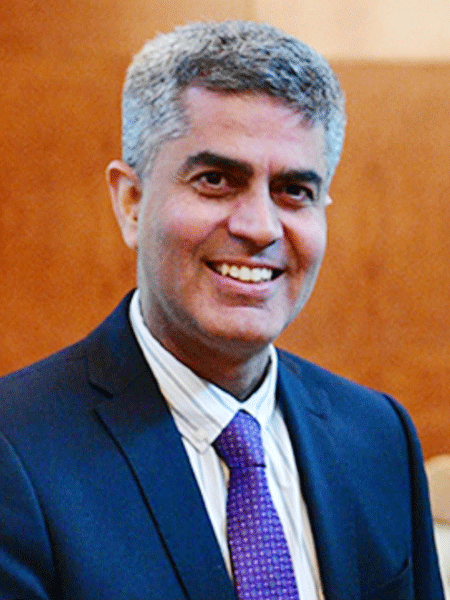
Author: Ambassador of India to Laos, Yogeshwar Sangwan.
(Latest Update November 23, 2026)
|

